Saudi Arabia's East-West oil pipeline, shut down after Iran-backed attacks, will be back up soon. That's the word from Energy Secretary Chris Wright, who told CNBC on Tuesday that the closure amounts to a "brief and temporary interruption" lasting just a few days.
Wright, speaking on the sidelines of the G20 energy officials' meeting in Houston, pinned the strikes on Iran-backed proxy groups.
Why does this one pipeline matter so much? It's Riyadh's workaround. The East-West line lets the kingdom shift crude exports to the Red Sea, which matters a great deal while the U.S. and Iran keep jostling over the Strait of Hormuz. With the pipeline offline, Wright said the Saudis are rerouting some exports through Hormuz itself, backed by U.S. military support.
Not Everyone Is Buying the 'Few Days' Timeline
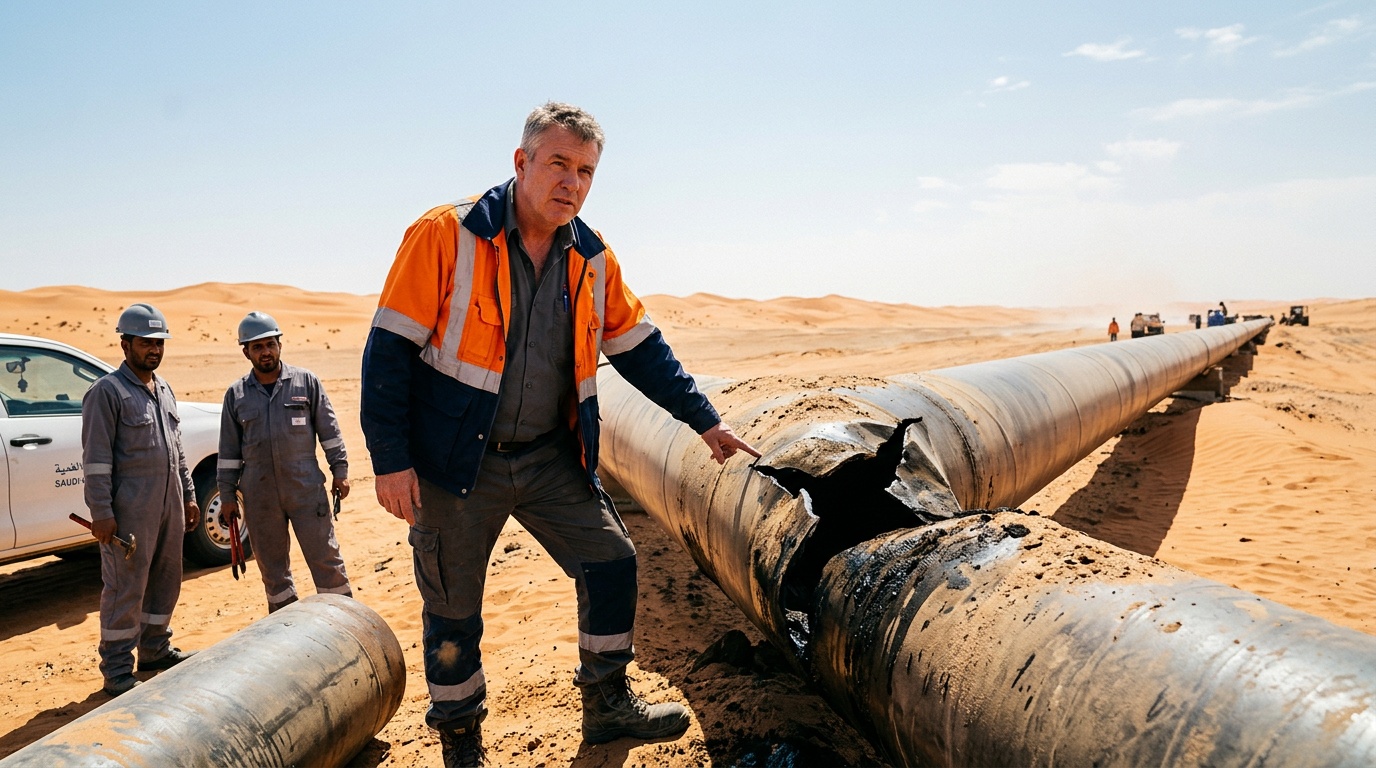
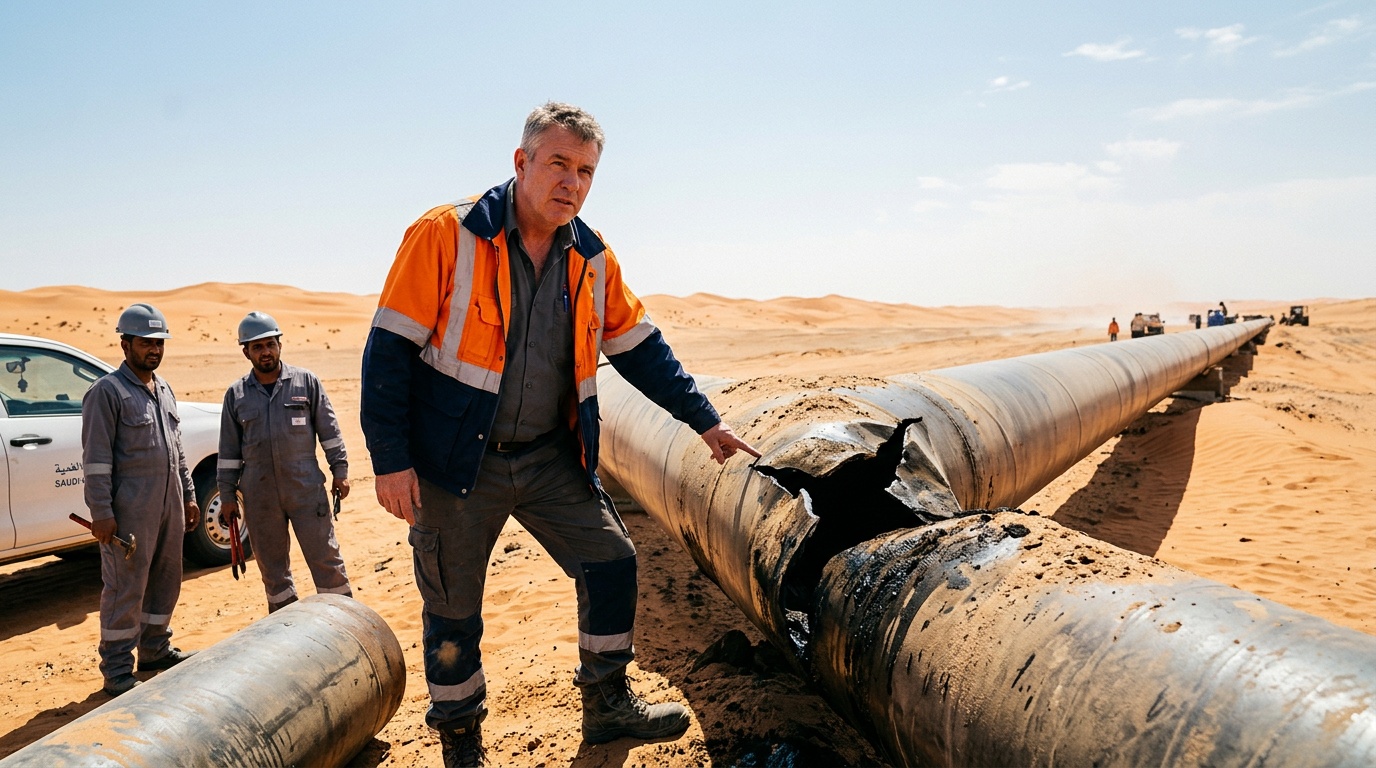
Satellite imagery points to serious damage at one of the pipeline's pumping stations. "Based on the online pictures, it will take months to repair," said Andy Lipow, president of Lipow Oil Associates, according to a Monday note cited by the publication.
Maritime trade data analyst Kpler is somewhere in between. It expects the damage to keep the Petroline running at only about 50% of normal capacity for up to six weeks, which could knock 2.5–2.7 million barrels per day off Yanbu exports.
The offset exists, but it isn't free. Saudi Arabia can route around 3 million bpd through Ras Tanura, Kpler noted, though doing so would require roughly 25 additional VLCC shuttle tankers per month. The catch is that this pushes more barrels through the Strait of Hormuz, keeping Dubai oil differentials elevated even after the initial price spike fades.
In another post, Kpler said low Yanbu inventories, stronger Dubai pricing and reduced Saudi supply are pulling more Atlantic barrels toward Asia, while Europe stays tight as Forties crude heads east. U.S. WTI, meanwhile, looks increasingly discounted overseas despite tighter domestic balances.
At the time of writing, Brent crude oil futures expiring in November were trading 0.59% lower at $108.10 per barrel, while WTI crude futures expiring in October were trading 0.88% lower at $104.89 per barrel.
How the Pipeline Went Down
Last week, Saudi Arabia shut the East-West crude pipeline as a precaution after drone attacks from Iraq targeted sections near Riyadh and Medina, causing fires, damage and injuries.
This is a big deal in barrel terms: the pipeline carries around 7 million barrels per day of oil. NASA's Fire Information for Resource Management System (FIRMS) detected the alleged attack, identifying eight thermal anomalies in the area.
As the crisis unfolded, Saudi Crown Prince Mohammed bin Salman sought U.S. military support against Yemen's Houthi rebels, who are believed to be behind the attack. President Donald Trump did not agree to direct U.S. strikes, but he did offer intelligence support.
Disclaimer: This content was partially produced with the help of AI tools and was reviewed and published by MarketDash editors.